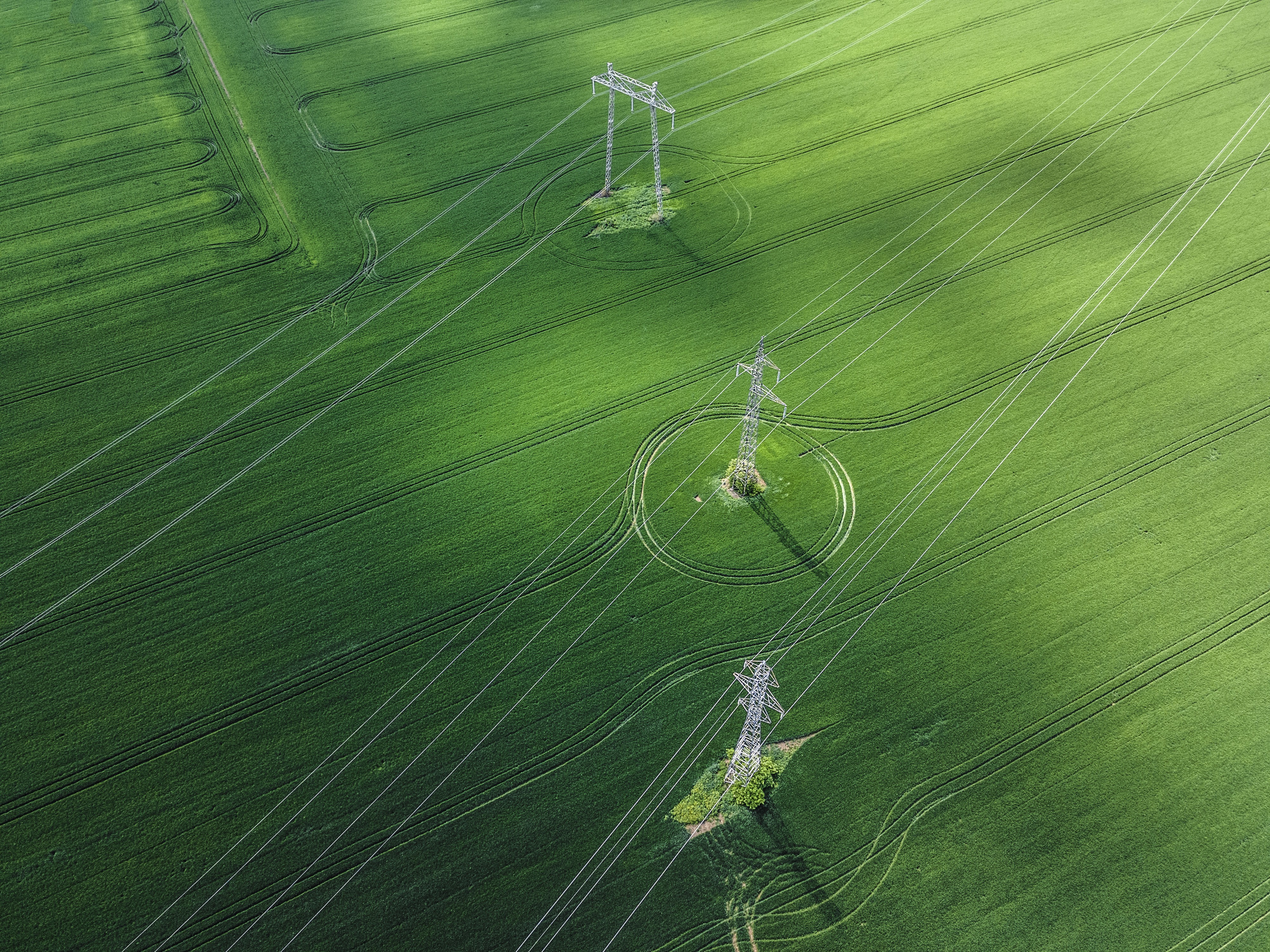

How we utilize CO₂ efficiently

Patented technology

Reduciner's innovation transforms what has long been seen as a problem into a valuable solution.

Reduciner’s technology is based on an electrically assisted, thermally driven carbon conversion process. In this process, carbon dioxide reacts with biochar via the Reverse Boudouard reaction, producing carbon monoxide while simultaneously enhancing the properties of the remaining carbon material.

CO₂ is used as a feedstock rather than treated as waste, enabling its conversion into valuable industrial products such as carbon monoxide and activated carbon. The process achieves over 90% CO₂-to-CO conversion efficiency, while electricity provides the required process energy, allowing precise control and efficient operation under high-temperature conditions.

CO₂ + Biochar + Electricity → CO + Activated Carbon

How we utilize CO₂ efficiently

Patented technology

Reduciner's innovation transforms what has long been seen as a problem into a valuable solution.

Reduciner’s technology is based on an electrically assisted, thermally driven carbon conversion process. In this process, carbon dioxide reacts with biochar via the Reverse Boudouard reaction, producing carbon monoxide while simultaneously enhancing the properties of the remaining carbon material.

CO₂ is used as a feedstock rather than treated as waste, enabling its conversion into valuable industrial products such as carbon monoxide and activated carbon. The process achieves over 90% CO₂-to-CO conversion efficiency, while electricity provides the required process energy, allowing precise control and efficient operation under high-temperature conditions.

CO₂ + Biochar + Electricity → CO + Activated Carbon

Benefits

Efficient CO₂ Utilization

Industrial CO₂ emissions are captured and converted directly at the source, avoiding release into the atmosphere. Integration with existing processes enables implementation without major infrastructure changes.

Electrical Conversion

Our patented electrically heated process enables efficient CO₂-to-CO conversion while producing high-value activated carbon. No combustion or hydrogen is required — electrical energy directly drives the transformation. In the process, electricity is converted into chemical energy, with carbon monoxide acting as a storable and transportable energy carrier.

Dual Output

Two valuable products from one process with significant environmental benefits. The resulting CO-rich syngas serves as industrial fuel and feedstock for synthetic fuels and chemicals. Activated carbon becomes a premium material for several applications in e.g. water and gas purification.

Enabling ECONOMICALLY EFFICIENT OPERATIONS

From fossil-based fuels to electrified CO₂ conversion enabling sustainable operations

Fossil fuel use can be reduced by replacing fossil-based carbon sources with carbon-neutral carbon monoxide or by converting CO into synthetic hydrocarbons that substitute conventional fuels. In both cases, CO acts as a versatile energy carrier and chemical intermediate, enabling carbon dioxide to be utilized as a valuable feedstock instead of waste.

Carbon monoxide can be used directly as a fuel in high-temperature industrial processes with minimal system changes, while also serving as a key input for synthetic fuels such as diesel, aviation fuels, and methanol. Using CO instead of CO₂ improves process efficiency and lowers costs by avoiding energy-intensive conversion steps, making hydrocarbon production more economically attractive.

CO can be integrated into existing industrial value chains across fuel production, chemicals, and energy generation. Its compatibility with current infrastructure makes it a scalable pathway for reducing emissions and improving the economics of decarbonization in hard-to-abate industries.

Carbon Monoxide

Uses of Carbon Monoxide

Synthetic Fuels

CO combined with hydrogen forms syngas, from which synthetic diesel, methanol, and other e-fuels are produced for aviation and maritime transport.

Steel Reduction

CO acts as a reducing agent in iron production, enabling lower-emission steelmaking by replacing part of the coke used in blast furnaces.

Chemical Industry

Carbon monoxide is a key feedstock in the production of plastics, pharmaceuticals, and other synthetic hydrocarbons.

Circular Economy

Reduciner directly converts industrial CO₂ emissions into CO — a closed loop where carbon is not released into the atmosphere but reused as a resource.

Carbon Monoxide

Uses of Carbon Monoxide

Synthetic Fuels

CO combined with hydrogen forms syngas, from which synthetic diesel, methanol, and other e-fuels are produced for aviation and maritime transport.

Steel Reduction

CO acts as a reducing agent in iron production, enabling lower-emission steelmaking by replacing part of the coke used in blast furnaces.

Chemical Industry

Carbon monoxide is a key feedstock in the production of plastics, pharmaceuticals, and other synthetic hydrocarbons.

Circular Economy

Reduciner directly converts industrial CO₂ emissions into CO — a closed loop where carbon is not released into the atmosphere but reused as a resource.

Enabling low carbon operations

From fossil based to biogenic activated carbon and from combustion to electrification

Activated carbon is a highly porous material that effectively captures impurities, odors, and chemical compounds. It is widely used in water and air purification, as well as in industrial processes where reliable filtration and purity are required.

Its exceptionally large surface area (BET >1000 m2/g) enables efficient adsorption of unwanted substances, helping improve safety, performance, and overall product quality.

We produce biogenic activated carbon from renewable biomass sources, offering a sustainable alternative to fossil-based materials. Unlike fossil-derived activated carbon, our product is based on the short carbon cycle, helping to significantly reduce lifecycle emissions depending on sourcing and production energy.

The result is high-performance activated carbon with the same adsorption efficiency, but a stronger sustainability profile supporting companies, cities and communities in reducing their carbon footprint and meeting increasingly strict ESG and regulatory requirements.

Active carbon

Uses of Active Carbon

Water Filtration

Activated carbon is widely used in drinking water and wastewater treatment to remove impurities, chemicals, and heavy metals.

Energy Storage

High-surface-area activated carbon is a key material in supercapacitors — a fast-growing market driven by electric vehicles.

Air Purification

In industrial facilities, hospitals, and buildings, activated carbon filters effectively remove volatile organic compounds (VOCs) and odours.

Pharmaceuticals

In pharmaceutical production and medicine, activated carbon is used to purify substances and treat poisoning cases.

Active carbon

Uses of Active Carbon

Water Filtration

Activated carbon is widely used in drinking water and wastewater treatment to remove impurities, chemicals, and heavy metals.

Energy Storage

High-surface-area activated carbon is a key material in supercapacitors — a fast-growing market driven by electric vehicles.

Air Purification

In industrial facilities, hospitals, and buildings, activated carbon filters effectively remove volatile organic compounds (VOCs) and odours.

Pharmaceuticals

In pharmaceutical production and medicine, activated carbon is used to purify substances and treat poisoning cases.

Industrial applications

Enabling low carbon operations
in hard-to-abate industries

8%

8%

of global CO₂ from cement

of global CO₂ from cement

Lime & Cement

Closing the carbon loop profitably

The lime and cement industries are among the largest industrial CO₂ emitters. Reduciner enables these facilities to capture process CO₂ and convert it back into usable carbon resources.

7-9%

7-9%

of global emissions from steel

of global emissions from steel

Iron & Steel

CO as low-capex reducing agent

Steel production requires carbon monoxide as a reducing agent. Reduciner produces circular CO from captured emissions, replacing fossil-derived inputs with minimal capital investment.

50-100%

50-100%

less waste of hydrogen

less waste of hydrogen

Synthetic Fuels

Cost-efficient CO feedstock

Syngas produced by Reduciner serves as a cost-efficient building block for synthetic fuels and chemicals, enabling the energy transition by decreasing the demand of expensive green hydrogen.

100%

100%

circular carbon utilisation

circular carbon utilisation

Industrial Gases

Integrated CO₂ reuse with value creation

Industrial gas companies can integrate Reduciner's technology to offer clients circular carbon solutions, creating new service offerings and locking in long-term customer relationships.
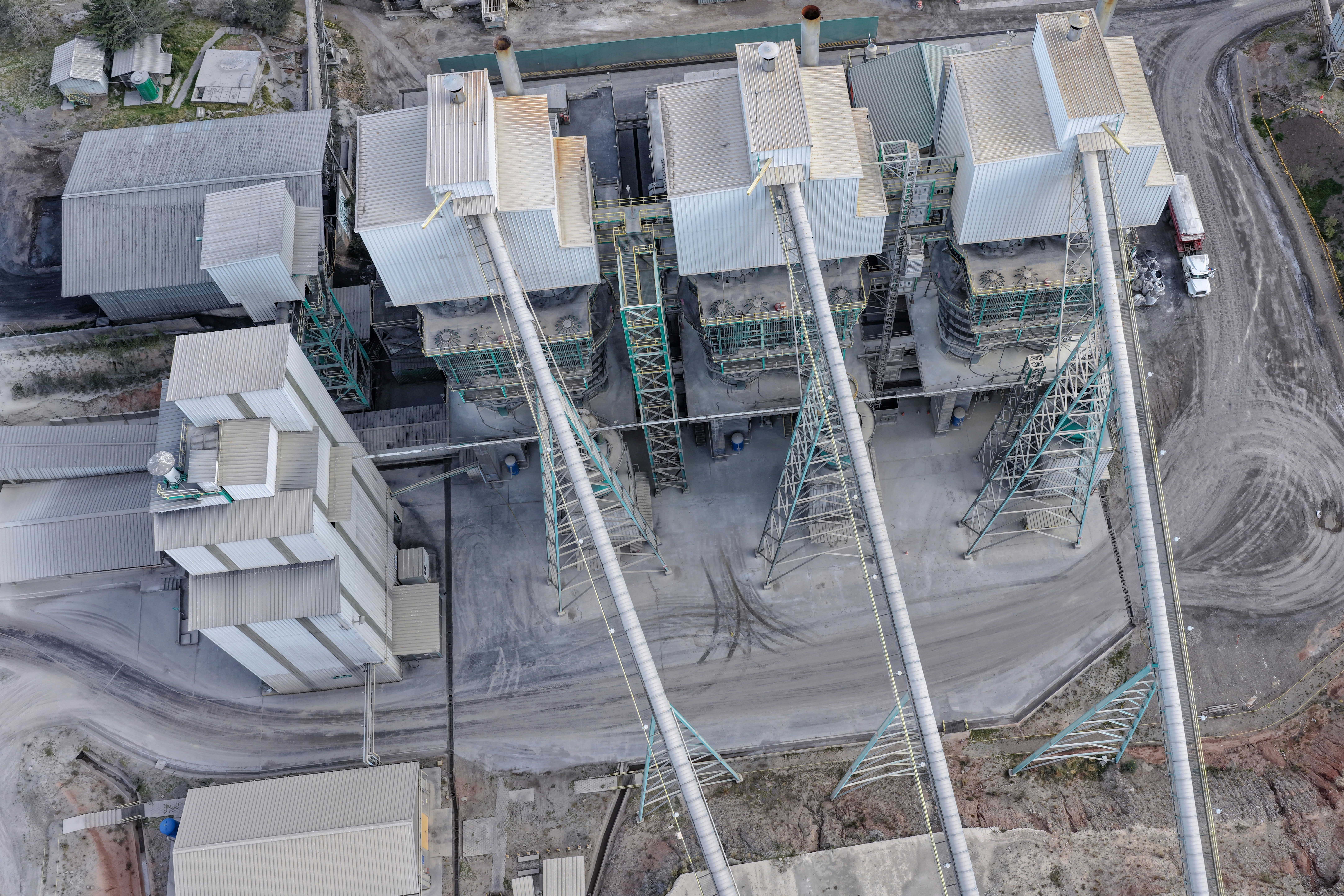
Get in Touch

Let's talk about your CO2 challenge

Let's talk about your CO2 challenge

Let's talk about your CO2 challenge

Whether you're exploring decarbonization options, looking for industrial CO₂ utilization partners, or interested in investment opportunities — we'd love to hear from you.

Industry Partnerships

Lime, cement, steel, chemicals — let's explore how Reduciner integrates into your operations.

Investment & Growth

We're building the infrastructure for circular carbon. Join us.

Technology Licensing

Interested in deploying Reduciner's patented technology at scale.

Copyright 2026 Reduciner Oy

Copyright 2026 Reduciner Oy

Copyright 2026 Reduciner Oy